

A buyer's inspector pressed a moisture meter against the hall closet wall, saw a dark patch behind the baseboard, and wrote the word mold in the report. Now the lender wants it addressed before funding. Mold clearance testing is a check done after remediation, by a party independent of the cleanup crew, to show the work area was adequately cleaned.
That one sentence matters because escrow runs on paper. A buyer, a seller and a lender all want something they can read, date and file. This guide explains what each stage produces and what to ask along the way.
What a mold inspection actually finds
A mold inspection is a visual and moisture survey. The inspector looks at ceilings, wall bases, under sinks, attic sheathing, crawl space framing and window sills. A moisture meter and often a thermal camera help find damp material that looks dry on the surface.
The report usually lists where growth is visible, where moisture readings are high and what probably caused it. A failed shower pan, a slow supply line leak or a roof flashing gap are common answers. The report points to a cause, but it does not fix it.
EPA says that when visible mold growth is present, sampling is usually unnecessary. No federal limits have been set for mold or mold spores. So a lab number alone does not tell you a house passes. Visible growth plus the moisture source is what drives the scope of work.
What remediation is, and what it is not
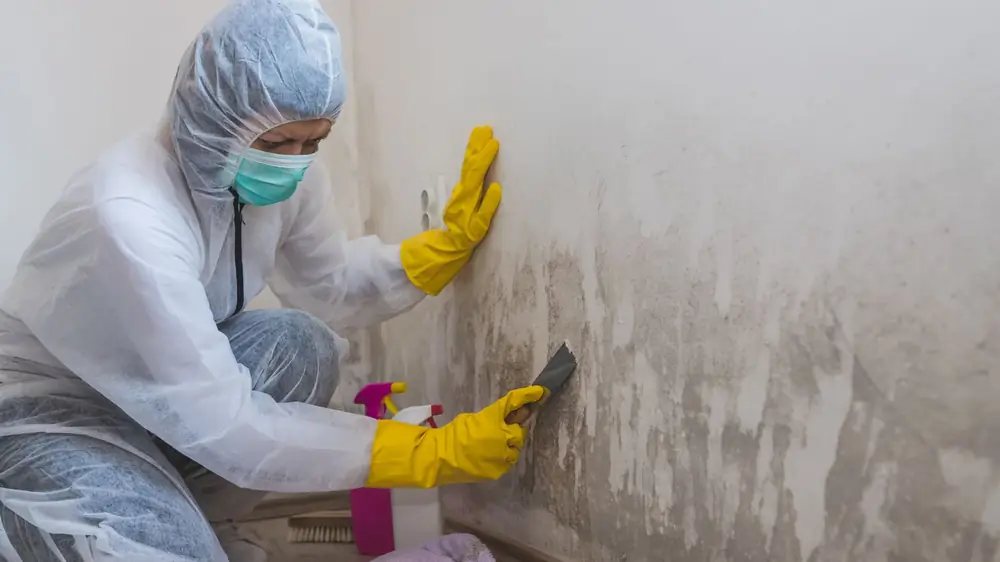
Remediation is the controlled removal of mold-affected material and the correction of the moisture that fed it. It follows the ANSI/IICRC S520 standard. Ask any company whether its crews work to S520 before you sign anything.
On site, that means sealing the work area with plastic sheeting, running a HEPA air scrubber, and cutting out porous material that stayed wet, such as 1/2-inch drywall or insulation. Hard surfaces get cleaned and dried. The area is HEPA vacuumed, and the crew documents moisture readings before closing anything back up.
Remediation is not painting over a stain or spraying a product on the wall. Those steps hide the problem and leave the moisture source in place. Buyers and their agents tend to spot a fresh patch of paint quickly.
Clearance verification and why independence matters
Post-remediation verification is a second look. A tester returns after cleanup, inspects the area visually, checks moisture and may take surface or air samples. EPA notes that surface sampling may help show whether an area was adequately cleaned or remediated.
The tester should be a different company from the one that did the cleanup. If the same firm writes the scope, does the work and passes its own work, nobody reading the file has a reason to trust the result. A buyer's agent will ask who signed off, and an independent name answers that question.
Independent testers do not sell remediation. They sell a report. That separation is the whole point, and you can ask each party plainly whether they have any stake in the other's work.
| Stage | Who does it | What you get on paper |
|---|---|---|
| Inspection or survey. | Home inspector or independent mold assessor. | Written report with photos, moisture readings and suspected cause. |
| Scope of work. | Remediation company. | Written scope and price explained before work starts. |
| Remediation. | Remediation crew working to S520. | Work log, photos of containment, material removed, drying readings. |
| Drying and repair. | Mitigation and rebuild crews. | Final moisture readings, repair invoice, permit records if required. |
| Clearance verification. | Independent tester, not the remediation company. | Dated verification report with findings and any sample results. |
Papers like these go to your escrow officer and agent. They document work done. They do not promise a buyer or lender will accept it.
Need a remediation scope before your next escrow deadline?
Call (818) 337-2642 any hour. Same-day response when available.
How to document the work for escrow
Keep the original report
Save the inspection report with photos and the moisture readings. It shows what was found and where.
Get a written scope
Ask the remediation company for a scope that names each area, the material removed and the drying method.
Collect job records
Request dated photos before, during and after, plus final moisture readings for each area.
Add the verification report
Hand the independent tester's report and the repair invoice to your agent and escrow officer together.
Put every document in one folder with the dates visible. Send the same set to every party so nobody is working from a different version. If a lender asks for a specific form, ask them for the exact wording before the work begins, not after.
What to ask the agents on either side
- Sellers: ask your agent whether the report must be disclosed and what the buyer's side will expect to see on paper before closing.
- Buyers: ask your agent whether the seller will hand over the full remediation file, including the independent verification report.
- Both: ask the lender what document it needs, who must issue it and by what date.
- Both: ask the escrow officer whether a repair credit or a holdback is an option if work is not finished by closing.
No cleanup company, tester or agent can promise that a lender or buyer will accept the result. Lenders set their own conditions. What you can control is whether the paper trail is complete, dated and independent.
Older homes, permits and mold near Studio City
Many buyers in the area also look at Burbank, where more than 62 percent of housing was built before 1970. Older homes carry decades of past leaks behind walls and under floors, so an inspector there is more likely to find an old stain or soft framing. If your home is that age, expect questions about past plumbing and roof work, and gather any repair records before you list.
Repairs after remediation may need a permit. In the City of Los Angeles that question goes to the building department, and in Burbank it goes to the City of Burbank. Ask the correct city building office whether your repair work needed a permit before you list, because an unpermitted repair can raise questions later in escrow.
Fix the water, then close up the wall
Clearance means little if the leak is still active. Before the walls are closed, the plumber or roofer should confirm the source is repaired, and moisture readings should show the framing is dry. The same crew that handled the cleanup can hand off to water damage repair for drywall, texture and paint.
EPA says mold control is moisture control and that wet areas dried within 24 to 48 hours usually do not grow mold. For a sale, that means documenting the dry-down as carefully as the cleanup. A Sherman Oaks house on a slab with a failed shower pan is a good example, since tile and backer board may need to come out for the framing to dry.
Common mistakes during a sale
- Hiring the same company to remediate and to pass its own work.
- Painting over stains to make the listing photos look clean.
- Skipping the moisture source, so the same patch returns in a month.
- Starting work with no written scope, then arguing about what was included.
- Telling the buyer the problem is gone for good. Nobody can promise that.
Do I need clearance testing if the mold was small?
Not always. EPA says homeowners can usually handle an area under about 10 square feet. A buyer or lender may still ask for proof, so ask them what they will accept before you decide.
Can the remediation company do its own clearance test?
It is better if it does not. An independent tester has no stake in the cleanup, which makes the report more useful to the buyer, agent and lender.
Does a clearance report mean the sale will close?
No. It documents what was found after cleanup. Buyers and lenders make their own decisions, so ask each what they need in writing.
What if my older home near Burbank or Studio City has past leak stains?
Old stains are common in homes built before 1970. Have a moisture reading taken. If the area is dry and not growing, record that. If it is damp, fix the source first, then call us at (818) 337-2642.
Does mold testing answer health questions?
No. Health questions belong to a physician. Remediation and verification address the building, not any person's symptoms.