
What water mitigation means for a Studio City home
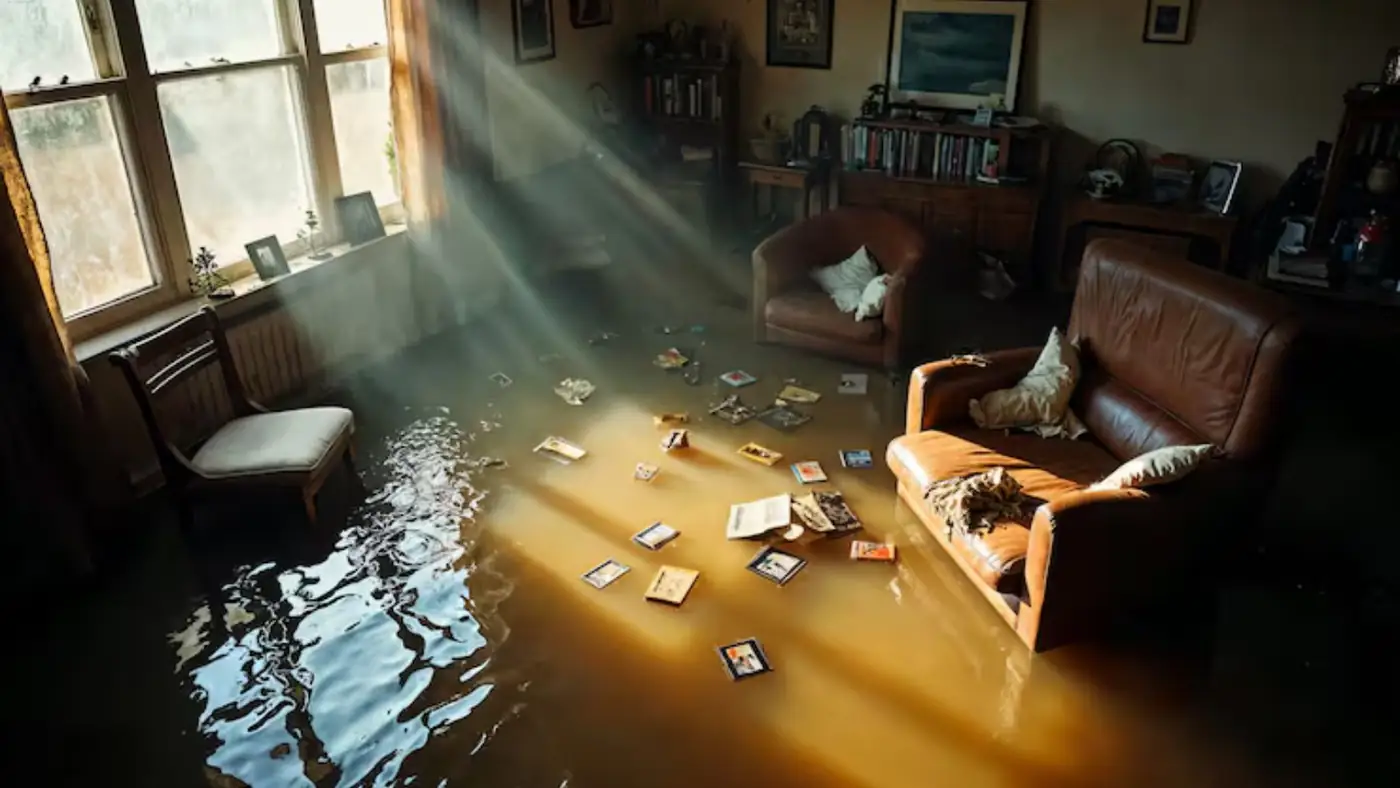
Water mitigation is the emergency stage of water damage restoration in Studio City, CA. Its goal is narrow and urgent: stop more damage from happening. A crew finds and stops the source, removes standing water, measures how far moisture has traveled and sets up drying equipment so the structure does not stay wet for days.
Mitigation is not the rebuild. It comes first, it is measured in hours, and it decides how much of the house can be dried and kept versus cut out. Drywall, insulation and flooring that stay wet past the first couple of days are the materials that usually leave in a dumpster. Once the readings say everything is dry, water damage repair puts the finishes back.
Call first, then do the safe things while the crew is on the way. Close the main water valve if a supply line failed.
Turn off power to wet areas only if you can reach the panel without standing in water. Lift rugs, electronics and paper off wet floors, and keep people and pets out of any water that may be contaminated. If water is near outlets, a panel or a gas appliance, call 911 or the utility before the restoration line.
When water in the house is an emergency
A leak you cannot stop
A burst supply line, a failed washer hose or a leaking water heater keeps adding water every minute. Mitigation starts with the shutoff, then the cleanup.
Water inside walls or ceilings
A bulging ceiling, a dripping light fixture or a wet wall means water is trapped where you cannot see it. Trapped water is where hidden damage grows.
Soaked carpet or flooring
Carpet and pad that stay wet for more than a day or two rarely dry well in place. Wet hardwood starts to cup quickly.
Dirty or sewage water
Backed-up drains and floodwater carry contamination. Stay out, keep children and pets away, and let a crew handle containment and removal.
Spreading ceiling stain, spongy carpet or a damp smell?
You do not need the trade name to know the problem. A ceiling stain that keeps growing, carpet that squishes underfoot and a damp smell near a baseboard all point at the same thing: water is still in the building materials. That is a water loss, and the fix is mitigation.
The sooner a crew measures where the moisture went, the less of the house has to be torn out. A stain the size of a dinner plate can sit on top of a wet ceiling cavity the size of a room.
How a mitigation job runs
Stop the source
Shut off the supply, repair or isolate the failed line and confirm the water has stopped.
Remove water
Pumps and extraction units pull standing water and wring out carpet, pad and wet flooring.
Map the moisture
Moisture meters and a thermal camera show wet drywall, insulation and framing behind the surface.
Dry and monitor
Air movers and dehumidifiers run while the crew records daily readings until the structure is dry.
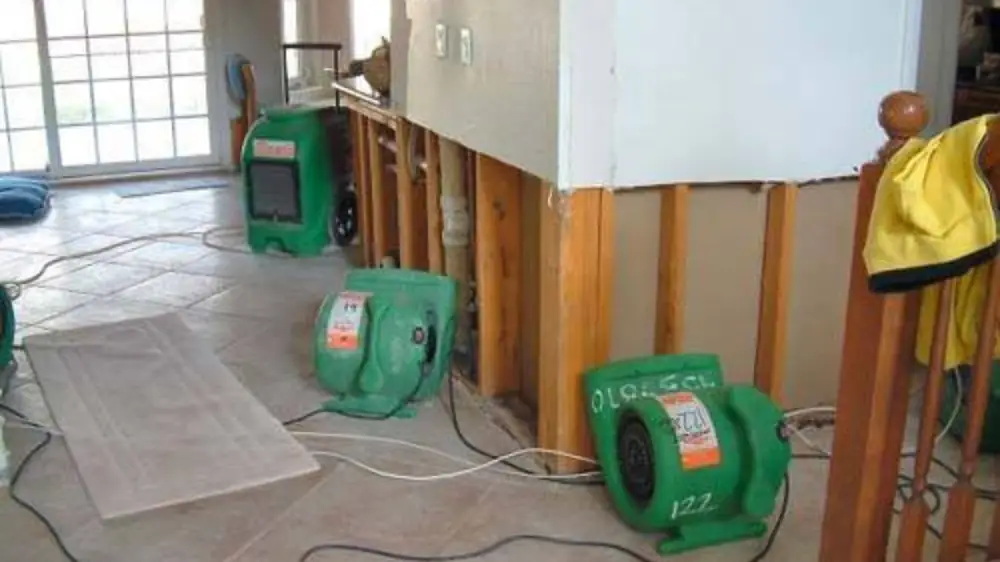
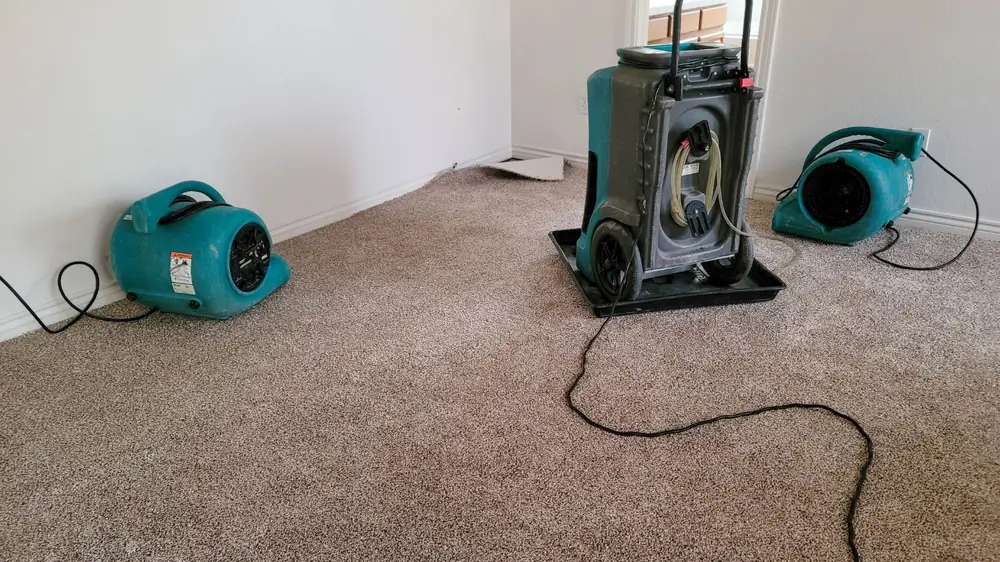
The equipment is simple to describe. Air movers push dry air across wet surfaces. LGR dehumidifiers pull the moisture out of the air so it cannot settle back into the building. Moisture meters and a thermal camera show the crew where water is hiding, and daily readings show when drying is finished.
Ask any restoration company whether its crews work to the ANSI/IICRC S500 standard for water damage restoration. It is the published industry reference for how water losses are classified, dried and documented.
| Category | Typical source | What mitigation usually involves |
|---|---|---|
| Category 1 | A broken supply line, a sink overflow, a rain leak that has just started | Extraction, then drying in place. Most materials can be kept if the loss is caught early. |
| Category 2 | Washing machine or dishwasher discharge, an overflowing toilet without waste | Extraction, drying, cleaning and sometimes removal of carpet pad and low drywall. |
| Category 3 | Sewage backup, river or storm floodwater, long-standing water | Containment, removal of porous materials, cleaning, sanitizing and then drying. |
Water can move up a category the longer it sits, which is one more reason the first day matters.
Structural drying: why it takes days, not hours
Structural drying is the part of mitigation that surprises people. The visible water is gone in an hour, yet the wood framing, subfloor and drywall paper still hold moisture. Drying them means moving the water out as vapor, and that takes steady airflow and dehumidification.
A crew places air movers so air sweeps every wet surface and sizes dehumidifiers to the volume of the space. Readings are logged each day. Equipment moves or comes out as areas reach the dry standard, which is set by readings from similar unaffected materials in the same home.
Many jobs need three to five days, though thick materials, a large loss or a hidden wet cavity can run longer. The log is useful for the insurance file, because it shows what was wet, what was dried and when the readings were back to normal.
Water still spreading?
Call the 24/7 line now. A dispatcher walks you through the first safe steps.
What affects the cost of mitigation
Every loss is different, so a number quoted without seeing the property is a guess. Scope and price are explained before work starts. These are the factors that move the total:
- Water category. Clean water is simpler than gray water or sewage, which add containment and removal.
- Area and height. Square footage affected, and whether water reached walls, ceilings or a second floor.
- Materials. Hardwood, carpet pad, plaster and insulation behave differently when wet.
- Drying days and equipment. More wet material means more air movers and dehumidifiers for more days.
- Rebuild scope. Mitigation ends at dry. What comes out and goes back in is a separate repair scope.
On insurance, in general terms: sudden and accidental water damage, such as a burst supply line, is often covered by a standard homeowners policy, while slow leaks and long-term neglect often are not. Flood damage from outside water is usually excluded and needs separate flood coverage. Check your policy or ask your insurer, and keep the photos and drying logs, because adjusters ask for them.
Want your real number? Call (818) 337-2642 and describe what you see.
Mitigation around the hills and flats of Studio City
Studio City runs from the flat Ventura Boulevard corridor up into canyon streets below Mulholland Drive. Homes on slopes can take water in from above and behind, so a crew checks low corners, garages and retaining-wall sides for moisture as well as the room that got wet.
The same crews also serve Sherman Oaks just to the west and North Hollywood across the Tujunga Wash. When standing water is the main problem, emergency water removal comes first, and a large or outdoor-source loss may fall under flood damage restoration. Cleanup of damaged materials after drying is covered under water damage cleanup.
Water mitigation questions in Studio City
Do you handle water mitigation emergencies at night or on weekends in Studio City?
Yes. The dispatch line is open 24 hours a day, every day, including nights, weekends and holidays. Crews are sent same day when available. No one can promise an exact arrival time, so the dispatcher explains what to do while you wait.
How long does drying take after a water loss?
Many jobs need three to five days of drying, but it depends on the materials, the amount of water and how long it sat. Daily moisture readings, not the calendar, decide when equipment comes out.
Can I just run fans and a dehumidifier myself?
For a small spill on a hard floor, yes. For water in carpet pad, walls or ceilings, household fans rarely reach the wet layers. A crew uses meters to find hidden moisture and sizes equipment to the space.
What is the difference between mitigation and repair?
Mitigation stops the damage and dries the structure. Repair rebuilds what had to be removed, such as drywall, flooring and paint. Doing repair before the structure is dry traps moisture behind new finishes.
Is water damage restoration the same as waterproofing?
No. Restoration deals with damage after water got in. Fixing the reason water keeps entering, such as foundation drainage or grading, belongs to a waterproofing or drainage contractor.
Do you rent air movers and dehumidifiers?
Drying equipment is set up, monitored and removed by the crew as part of a mitigation job, so the answer is a drying plan rather than a rental.