
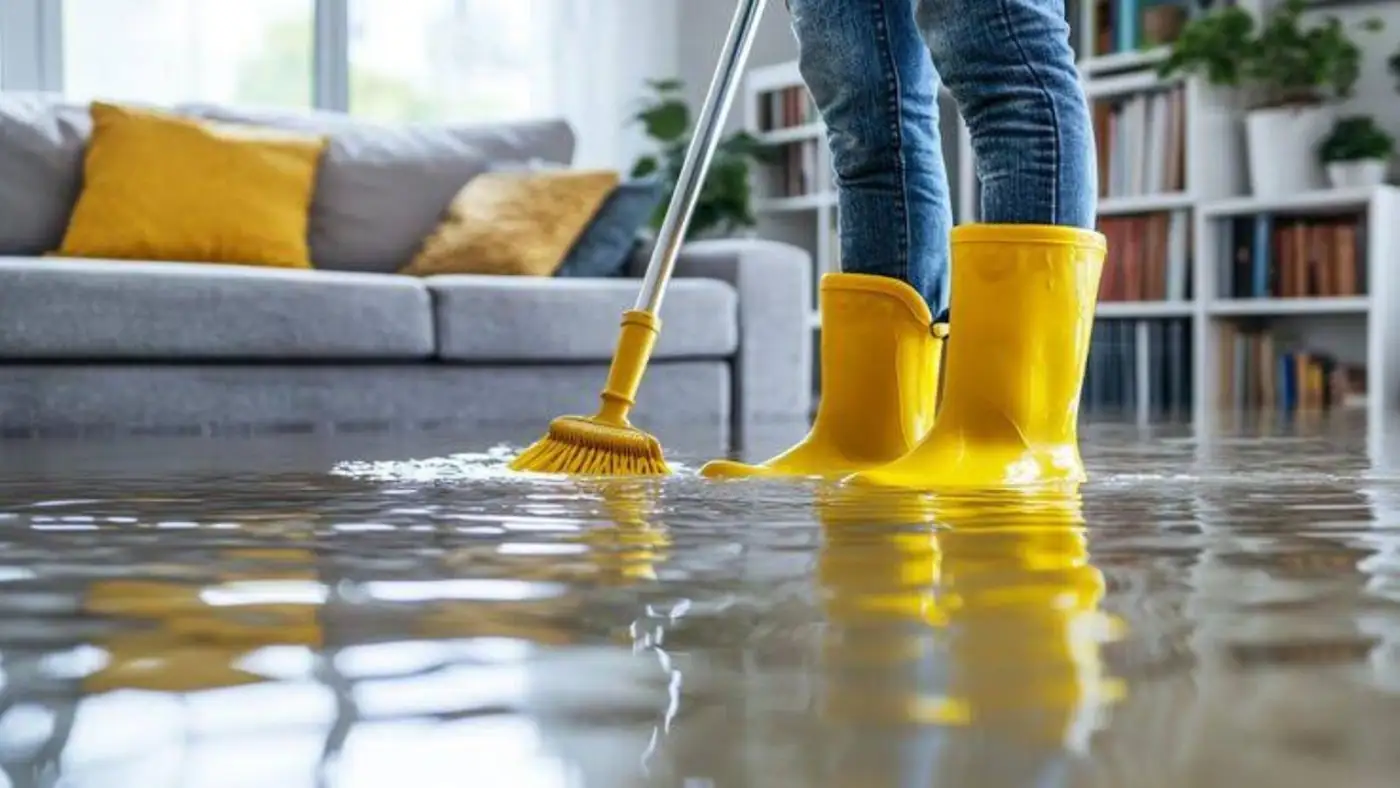
What water damage cleanup covers
Water damage cleanup is the clearing and cleaning stage after a leak or flood. The pipe is shut off and the standing water is gone, but the room still holds wet carpet, swollen drywall, soaked insulation and belongings that need sorting. Cleanup removes what cannot be saved and cleans what can.
It sits between two other jobs. Water mitigation stops the spread and dries the structure, and water damage repair rebuilds finishes afterward. Cleanup is the hands-on work that makes both possible, because nobody can dry or rebuild around debris.
The first 48 hours matter most. Wet porous materials start to smell and can support mold growth if they stay damp, so the dispatcher treats cleanup as urgent whenever the water was dirty or the affected area is larger than a small spot.
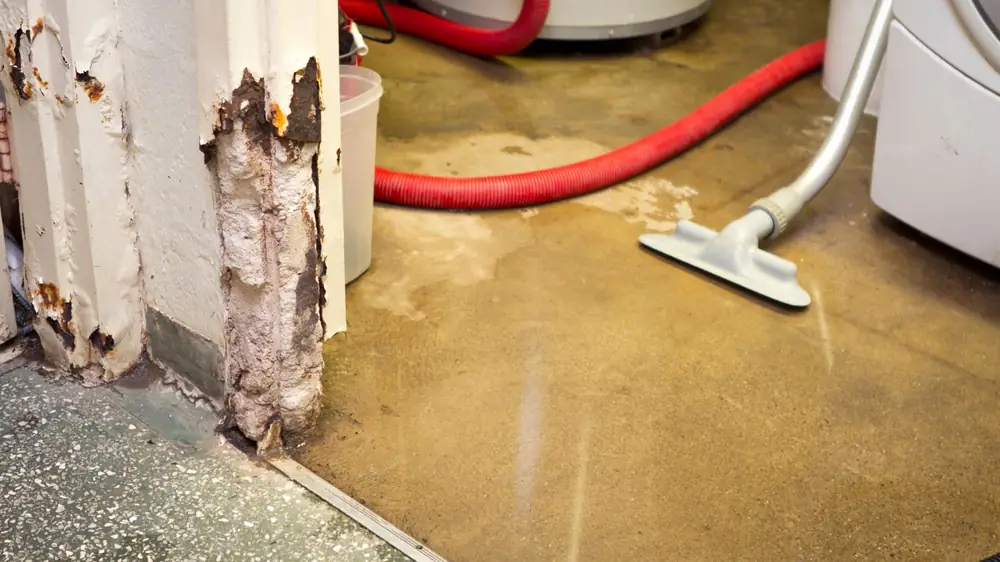
When cleanup is an emergency
- Water from a toilet, drain, sewage line or outside source touched the floor or walls.
- Carpet, pad or drywall has been wet for more than a day.
- A musty smell is spreading through the home or building.
- Furniture, bedding or stored boxes are sitting in wet areas.
- A shop, office or restaurant on Ventura Boulevard cannot open until the space is safe.
While you wait for the crew, keep people and pets out of contaminated water, lift belongings onto dry surfaces and photograph what is damaged before anything is moved. If water reached an outlet or a panel, call 911 or the utility before calling the restoration line.
Keep or discard: what happens to wet materials
| Material | After clean water caught quickly | After dirty water or long exposure |
|---|---|---|
| Carpet | Often lifted, cleaned and dried | Usually discarded |
| Carpet pad | Usually discarded because it holds water | Discarded |
| Drywall | Dried in place when only the surface is wet | Cut out above the water line, replaced later |
| Insulation | Removed when saturated | Removed |
| Hardwood and engineered floors | Dried with mats and meters, sometimes saved | Often replaced |
| Upholstered furniture and mattresses | Case by case | Typically discarded |
| Tile, concrete and sealed surfaces | Cleaned and dried | Cleaned and sanitized |
The final call is made with moisture readings, not by looking at the surface.
Sanitizing and deodorizing the right way
A smell after a water loss is a signal, not the problem. It usually points to wet material still in the building. The fix is to remove or dry that material, clean the surfaces and then treat the air, not to mask the smell with fragrance.
Crews use detergent cleaning, antimicrobial treatments where needed and HEPA air scrubbers to pull fine dust and odor particles from the air. Contaminated surfaces are cleaned before drying equipment runs, so air movers do not spread anything around.
Personal belongings are sorted into keep, clean and discard piles. Papers, photographs and electronics can sometimes be saved if they are handled quickly. Take photos of discarded items before they are bagged, because adjusters often ask for them.
Cleanup cannot wait
Call the 24/7 line for cleanup, sanitizing and deodorizing in Studio City.
What affects the cost of cleanup
Scope and price are explained before work starts. Cleanup totals depend on:
- Water category. Sewage and floodwater require protective gear, containment and disposal.
- Amount of material removed. More carpet, pad, drywall and insulation means more labor and hauling.
- Contents. Large volumes of belongings take time to sort and pack out.
- Odor and sanitizing needs. Longer exposure often means more cleaning steps.
- What comes next. Drying and rebuild are separate scopes.
On insurance, in plain terms: a sudden and accidental event often falls under a standard homeowners policy, but gradual leaks and neglect often do not, and flood damage is usually excluded. Ask your insurer what applies to your loss. Keep your photos, the inventory of discarded items and the crew's records. Want your real number? Call (818) 337-2642.
Cleanup across the east Valley
Crews work from Studio City into Burbank and Sherman Oaks, and into apartments, condos and houses alike. When cleanup uncovers wet insulation or a damp wall cavity, the next call is often emergency water removal or a larger flood damage restoration scope.
Water damage cleanup questions in Studio City
Do you handle water damage cleanup emergencies at night or on weekends in Studio City?
Yes. The dispatch line is open 24/7, including weekends and holidays. Crews are sent same day when available and no exact arrival time is promised. The dispatcher tells you what is safe to move while you wait.
Can I clean up water damage myself?
A small spill of clean water on a hard floor is reasonable to handle yourself. Wet carpet, drywall, insulation and any contaminated water are better left to a crew with protective gear and moisture meters.
How do I know if my belongings can be saved?
It depends on what the item is made of and what kind of water touched it. Solid wood and sealed items often survive. Porous items soaked in dirty water usually do not. The crew sorts items with you.
Will the smell go away after cleanup?
Usually yes, once wet material is removed or dried and surfaces are cleaned. A smell that returns often means moisture is still hidden somewhere, so the crew rechecks with a meter.
Do I need to wait for the insurance adjuster before cleanup?
No. Take photos first, then protect the property. Insurers generally expect you to prevent further damage, so ask your insurer and keep records of every step.