
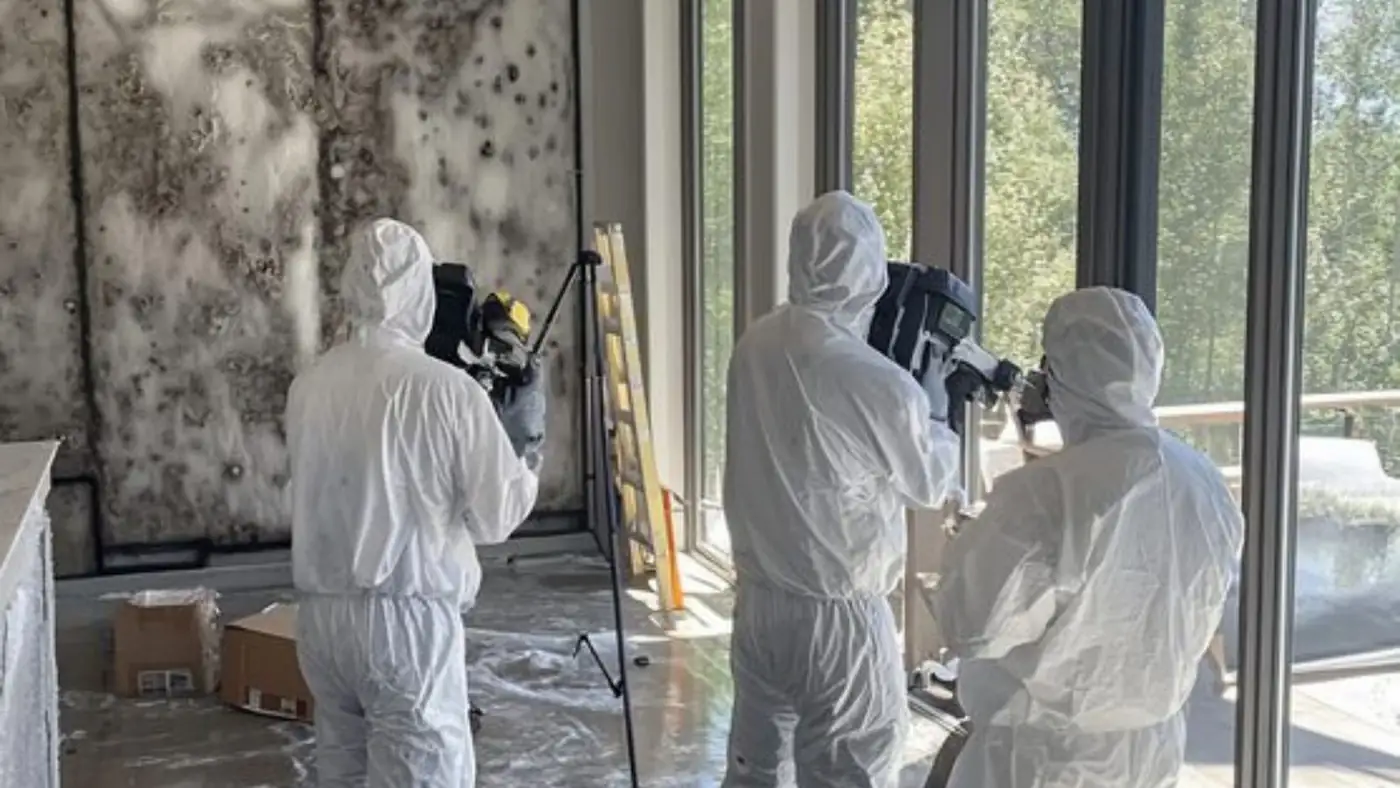
What mold remediation means
Mold remediation in Studio City, CA is the process of containing, removing and verifying the cleanup of mold growth in a building. It is built around one fact from the U.S. EPA: the key to mold control is moisture control, and none of the many types of mold grow without water or moisture.
That is why a real remediation plan has two halves. One half removes the growth. The other half finds and fixes the water that allowed it. Cleaning mold without fixing the leak is a repeat appointment.
Ask any company whether its crews work to the ANSI/IICRC S520 standard for professional mold remediation. It is the published industry reference for how containment, removal and verification are done.
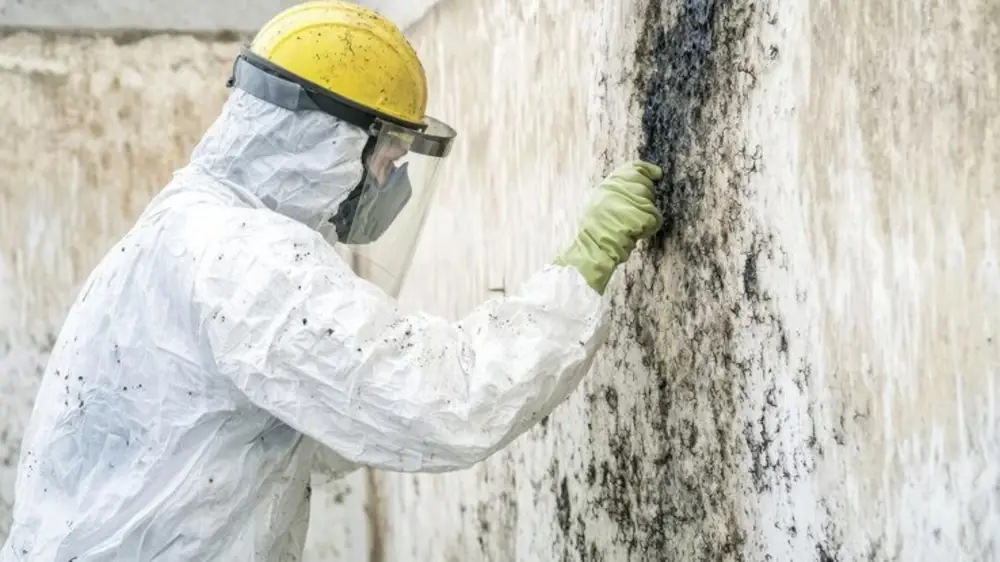
Dark spots, a musty smell or a closet that stays damp?
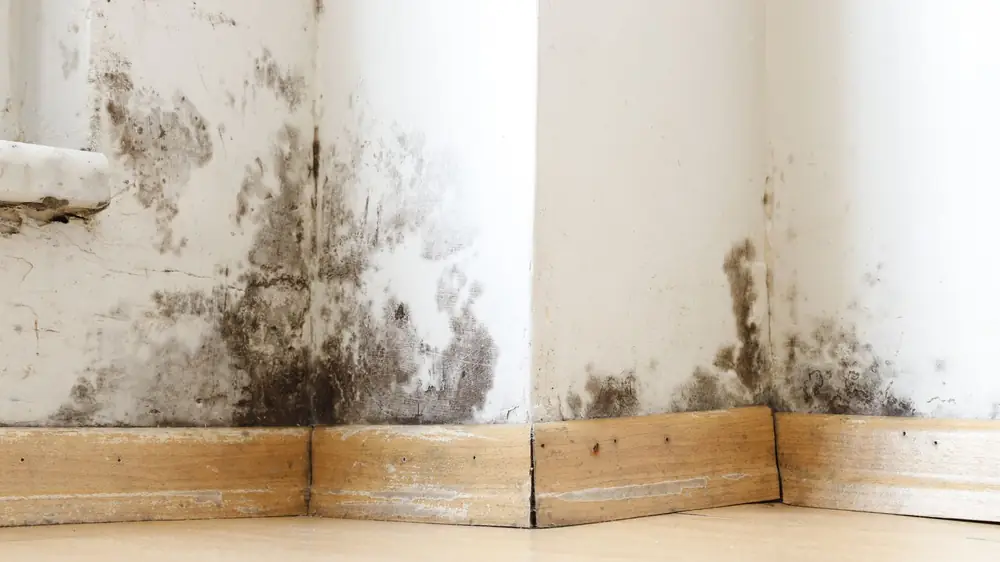
You do not have to know the trade term. A dark patch on a ceiling, a musty smell in a closet, bubbling paint near a window or a bathroom wall that never quite dries all point toward moisture that has been sitting. Visible growth is the sign most people notice, but moisture comes first.
If you can see growth, take a photo, avoid disturbing it and call. Brushing, sanding or spraying dry mold sends particles into the air and spreads it to rooms that were clean.
Where the water comes from
Plumbing leaks
A leaking toilet supply line, a sink drain or a shower valve can feed a wall or the ceiling below for weeks before a stain shows.
Air conditioner drains
Condensate lines clog and overflow pans spill into ceilings and closets. In a cooling season that runs for months, small drips add up.
Roof and siding
Failed flashing, a cracked tile or missing caulk lets rain into attic insulation and wall cavities.
Past water damage
A flood or pipe burst that was not dried within a day or two is a common starting point.
The leak has to be fixed before or during remediation. If it comes from a roof, a roofer handles it. If it comes from a pipe, a plumber does. Interior work comes after.
How remediation works
Inspect
Find the growth and the moisture source, then check readings behind finishes.
Contain
Seal off the area with plastic and run negative air so spores do not travel.
Remove
Take out affected porous materials and clean salvageable surfaces with HEPA vacuuming and damp wiping.
Dry and verify
Dry the area, confirm readings, and check that the cleanup worked.
Crews use plastic containment, negative air machines, HEPA vacuums and air scrubbers, moisture meters and protective gear. EPA guidance says hard surfaces can be scrubbed with detergent and water and dried completely, while absorbent materials like ceiling tiles and carpet may have to be thrown away once they become moldy.
For an area smaller than about 10 square feet, EPA says a homeowner can usually handle the cleanup. Larger areas, heavy water damage or sewage involvement are where professional help makes sense.
Mold removal and black mold cleanup
People often ask about black mold in particular. Color does not tell you what kind of mold you have, and a dark patch may be one of many species. Whatever its color, visible growth is treated the same way: control the moisture, contain the area and remove the growth.
Spraying a product on porous drywall or wood does not solve the underlying moisture problem. On those materials the answer is usually removal and replacement. On sealed surfaces, scrubbing with detergent and water is the EPA-described method.
Health questions belong with a physician. The cleanup crew's job is to remove the growth and the moisture that fed it, and to be honest about what is and is not known.
Mold after water damage
Water damage and mold are the same story at different stages. EPA says to dry water-damaged areas and items within 24 to 48 hours to prevent mold growth, and that if wet areas are dried within that window mold usually will not grow.
That is the argument for fast water mitigation. If a leak sat longer, or if drying left damp pockets inside a wall, mold can start. A moisture check after a water loss is cheap insurance against finding it later behind a baseboard or under a cabinet.
| Situation | Usual approach | Who handles it |
|---|---|---|
| A few spots on a painted bathroom wall, dry and firm | Fix the moisture source, scrub hard surface with detergent and water, dry fully | Homeowner may handle if under about 10 square feet |
| Growth inside a wall or ceiling after a leak | Containment, remove affected drywall and insulation, dry, verify | Remediation crew |
| Widespread growth or a musty smell with no visible source | Moisture mapping, inspection, then a written plan | Remediation crew |
| Growth after sewage or floodwater | Contaminated-water protocol, removal and cleaning | Remediation crew |
Not sure what you are looking at?
Call to talk through what you see and what the next step could be.
Mold testing, inspection and clearance
EPA says that if visible mold growth is present, sampling is usually unnecessary, and that no EPA or other federal limits have been set for mold or mold spores. Surface sampling may be useful to show whether an area was adequately cleaned or remediated. That is why testing is mostly used in two situations: finding growth you cannot see, and verifying a cleanup.
If you are selling or buying and a lender or buyer wants written proof, independent clearance verification by a third party who is not the remediation company is the clean way to do it. We cannot promise any lender or buyer will accept a report, but documentation of the moisture source, the removal and the final readings gives them something concrete to review.
Questions like "how much notice do you need to look at it" are fair. Call, describe the situation, and the dispatcher will tell you what the first visit looks like.
What affects the cost of mold remediation
Scope and price are explained before work starts. The main factors:
- Area and location. Surface growth in one closet is smaller than growth inside walls throughout a room.
- Materials affected. Porous materials usually come out and get replaced.
- Containment needs. Bigger or hidden areas need more plastic, negative air and setup.
- Moisture source. Plumbing, roof or HVAC repair is a separate trade and cost.
- Verification. A clearance step by a third party adds a separate fee.
On insurance, in general terms: mold coverage usually depends on the policy and on whether the mold came from a covered water event. Many policies limit or exclude it. Check your policy or ask your insurer, and ask any company about its licenses and look the number up with the California Contractors State License Board. Want your real number? Call (818) 337-2642.
Mold remediation around Studio City
Mold calls come from condos and houses, from hillside streets below Mulholland Drive to flats near Ventura Boulevard. Crews also serve Encino and North Hollywood. If the cause was a flood or a burst line, see flood damage restoration. Once the area is clear, water damage repair puts the finishes back.
Mold remediation questions in Studio City
Safety checklist before mold work
- Keep the area closed off and do not run a fan that blows spores through the home.
- Do not scrub or sand growth yourself, which can spread it.
- Fix or stop the moisture source first, since growth returns where moisture stays.
- Wear a fitted respirator, gloves and eye protection if you must handle small surfaces.
- Call a professional for large areas, sewage-related water or anything behind walls.
The EPA guidance on mold in the home and ANSI/IICRC S520 are the published references for this work. Ask any company which one its crews follow.
Can mold be removed without finding the leak?
It can be removed, but it will probably return because mold needs moisture. A remediation plan includes locating and fixing the water source.
Do I need a mold test before remediation?
Often not. EPA says that when mold is visible, sampling is usually unnecessary. Testing helps for hidden problems and for verifying that a cleanup worked.
Can a lender or buyer require mold to be removed before closing?
Yes, that comes up. Documentation of the source, removal and final readings, plus independent clearance verification, is what people usually bring. Acceptance is up to the lender or buyer.
Is bleach the answer?
For porous materials, no. Removal and replacement is the usual approach. For hard surfaces, EPA describes scrubbing with detergent and water and drying completely.
Will mold come back?
No one can promise that. If moisture returns, mold can return. Keeping humidity below 60 percent, ideally between 30 and 50 percent, as EPA advises, helps.
What is the difference between mold removal and mold remediation?
Removal is taking out visible growth. Remediation also covers containment, moisture control and verification, which is what makes the result last.