
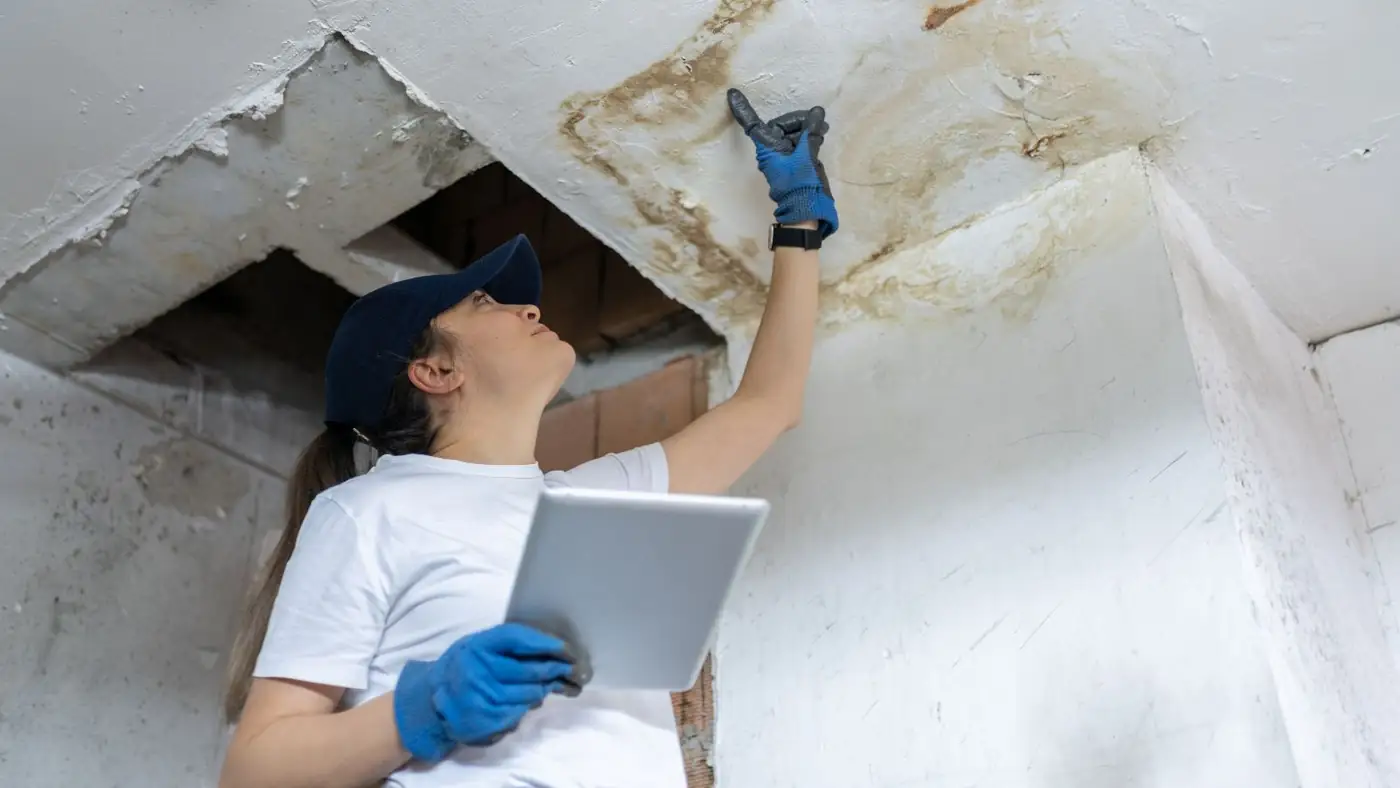
What the adjuster is there to do
A water damage insurance adjuster is sent by your insurer. The adjuster looks at the loss, works out what caused it and estimates what the policy may cover. That is the whole job. The visit is not an inspection of your housekeeping, and it is not a verdict on your claim.
Most visits cover three questions. What was the source: a supply line, a water heater, a washing machine hose or a roof leak? How far did it spread: which rooms, which materials? And was it sudden or slow? Policies often treat those two cases differently, so the cause matters a great deal. Ask your insurer how your own policy words it.
The adjuster often arrives after emergency work has already started, and that is normal. Wet drywall and flooring cannot wait days for a calendar slot. Our crews doing water mitigation photograph and take moisture readings before anything comes out, so the starting condition is on record.
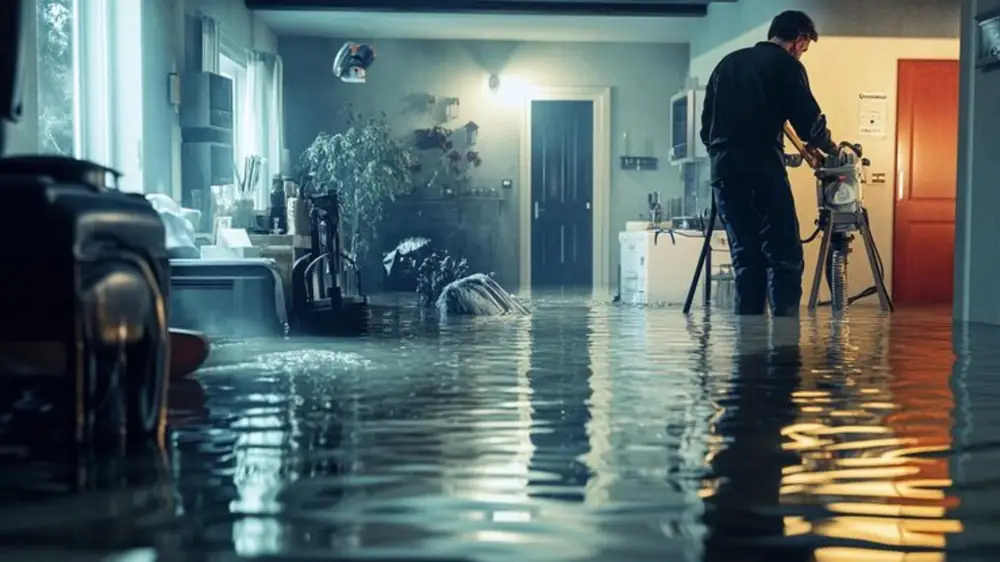
Prepare before the adjuster arrives
Photograph before you move things
Take wide shots of each room, then close shots of every wet surface. Add short videos that pan across the damage. Phones stamp the date and time, which helps.
Keep damaged items if you can
Do not haul wet furniture and electronics to the curb yet. If something must go for safety, photograph it first and write down what it was.
Save every receipt
Emergency steps cost money. Keep invoices for the plumber, water extraction, equipment and any hotel or storage you needed.
Write the timeline
Note when you first noticed the water, when you shut it off and who you called. Memory fades fast, so write it that day.
The paper trail adjusters ask for
Adjusters work from records. The better the records, the less back and forth, and the less room for a dispute about what the room looked like on day one. The table below shows what to gather and a simple way to capture each item.
| Document | Why the adjuster wants it | How to capture it |
|---|---|---|
| Dated photos and video. | Shows the damage before cleanup changes the room. | Wide and close shots of every room, plus a slow video walkthrough with the source in frame. |
| Moisture log. | Shows how wet materials were and how drying progressed. | Ask the restoration crew for dated readings by room, and keep your own notes on equipment run days. |
| Restoration scope of work. | Lists what was dried, removed and why. | Ask for a written scope that names rooms, materials and equipment, explained before work starts. |
| Receipts for emergency steps. | Documents money spent to stop further damage. | Photograph each receipt and keep the originals in one folder. |
| List of damaged contents. | Supports a contents claim item by item. | Write item, age, where it was and a photo, room by room. |
| Repair report for the source. | Confirms what failed and when it was fixed. | Ask the plumber or technician for a short written note on the cause. |
Keep digital copies in a cloud folder so a flooded room cannot take your records with it.
Water in the house right now?
Call (818) 337-2642 any hour. We explain scope and price before work starts.
Flood cover and city sewer questions in Studio City
The California Department of Insurance says homeowners and commercial policies typically exclude flood, mudslide and debris flow. Flood cover comes through the National Flood Insurance Program, sold by licensed agents. A new policy generally takes effect 30 days after purchase.
That 30-day wait has a practical consequence. A policy bought when rain is already forecast may not be in force when the water arrives. Read your declarations page now and ask your agent, in plain words, exactly what you carry.
Not every wet floor starts inside your walls. If water is rising from a floor drain or toilet and neighbors report the same, the cause may be the public sewer main. LA Sanitation lists 311 and 1-800-773-CITY (2489) for city service and general sanitation information.
A backup from the public sewer main is a different conversation with your insurer than a plumbing leak. Tell the adjuster exactly what you saw and when. Sewage is also a safety matter, so stay out of the affected area until it has been handled.
The insurer's adjuster and a public adjuster, in plain terms
The adjuster who visits first usually works for the insurer, either as staff or on contract. Their employer is the company that decides the claim. A public adjuster is a separate professional you hire to prepare and present your claim on your behalf, usually for a fee.
We do not recommend one path over the other. That is your decision, and your insurer can explain how the process works under your policy. A restoration company is neither of these. We dry and repair the structure, and we hand you a written scope and moisture records.
We do not negotiate claims, and we cannot say what an insurer will decide. If you rent, tell your landlord right away and ask whether the building carries its own coverage. Your renters policy typically deals with your belongings.
What to say, and what to leave out
Be factual and calm. Describe what you saw in the order it happened, give dates, and show the adjuster around. If you do not know an answer, say so and offer to find out.
- Do say what you observed: a drip, a stain that grew, a sound behind the wall.
- Do say what you did to limit damage and when you did it.
- Do not guess about the cause or say the leak has been going on for months unless you truly know.
- Do not sign anything you have not read, and do not accept a verbal promise about the outcome.
- Do not throw out damaged materials before they have been photographed and, if asked, shown.
Nobody can promise a claim result at the first visit, and anyone who does is guessing. Ask what happens next, who your contact is and when you can expect a written decision.
Where the adjuster visit fits in the repair timeline
Insurance has its own pace, and drying has its own clock. EPA guidance says wet areas should be dried within 24 to 48 hours to prevent mold growth. Do not park the drying while you wait for paperwork. Check your policy for the duty to protect the property from further damage.
Day of the loss
Stop the source if you can do it safely, photograph everything and call your insurer to open the file.
Before the visit
Start emergency drying, keep receipts and gather the records in the table above.
During the visit
Walk the adjuster through each room, share photos and the moisture log, and ask what comes next.
After the visit
Keep notes of every call, forward the written scope when asked and begin repairs once the plan is clear.
Burbank is its own city, with its own water and power utility and its own building permit office. If your loss is there, utility and permit questions go to the City of Burbank, not LADBS. We cover the area with crews serving Burbank and keep the same records either way.
In Sherman Oaks, the Los Angeles River forms the northern edge as a concrete-lined channel. If water entered from outside the house, say so plainly, because outside water and a pipe leak are handled differently on a policy.
Should I wait for the adjuster before drying starts?
No. Wet drywall, carpet pad and subfloor do not hold still while you wait. Photograph first, then start drying. Most policies expect you to protect the property from further damage, so check yours.
Can the restoration company deal with my adjuster?
We provide the scope of work, photos and moisture readings, and you can forward them. Whether to speak with the adjuster directly and how to handle your claim stays with you and your insurer.
Water came up through my toilet in Studio City. Is that my plumbing or the city sewer?
It can be either. Call 311 or 1-800-773-CITY (2489) for LA Sanitation, and have a plumber look at your own line. Do not touch the water, and tell your insurer which one it turned out to be.
Do I need flood insurance if a pipe bursts inside?
A burst pipe is usually handled under the regular homeowners policy, not flood. Flood means water from outside, and it is typically excluded. Ask your agent which applies to your situation.
What if the adjuster's estimate looks lower than our scope?
Ask the adjuster to explain the difference in writing. Send the moisture log and photos that support the scope, and ask your insurer about its review process. We cannot predict the outcome.