
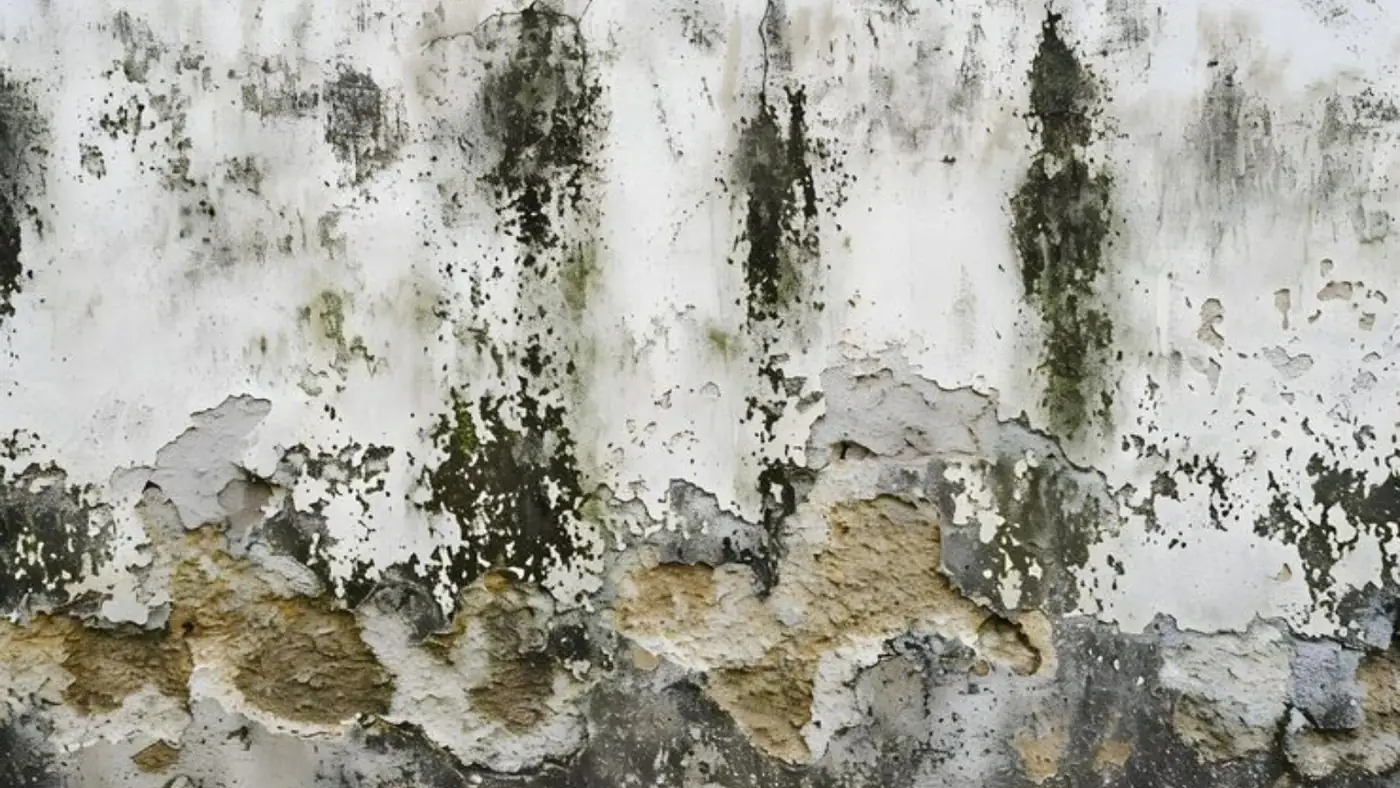
You found black spots on the ceiling and went looking for something to kill them. The honest answer to what kills black mold is that removal and drying beat killing. Mold is a living growth that needs moisture, and the fix is to remove the growth and take away the water, not to find a stronger spray.
The rest of this post sorts the myths from the practice, using EPA guidance and the way trained crews work.
Colour does not tell you what it is
People call any dark growth black mold. Colour does not identify a mold type. The same species can look green, gray or black depending on the surface, the age of the growth and the light. Only a lab can name a species, and EPA says that when visible growth is present, sampling is usually unnecessary.
So the plan does not change with colour. Dark spot or pale fuzz, the decision is the same: is the material hard and cleanable, or porous and soaked? Is the water gone?
Killing versus removing
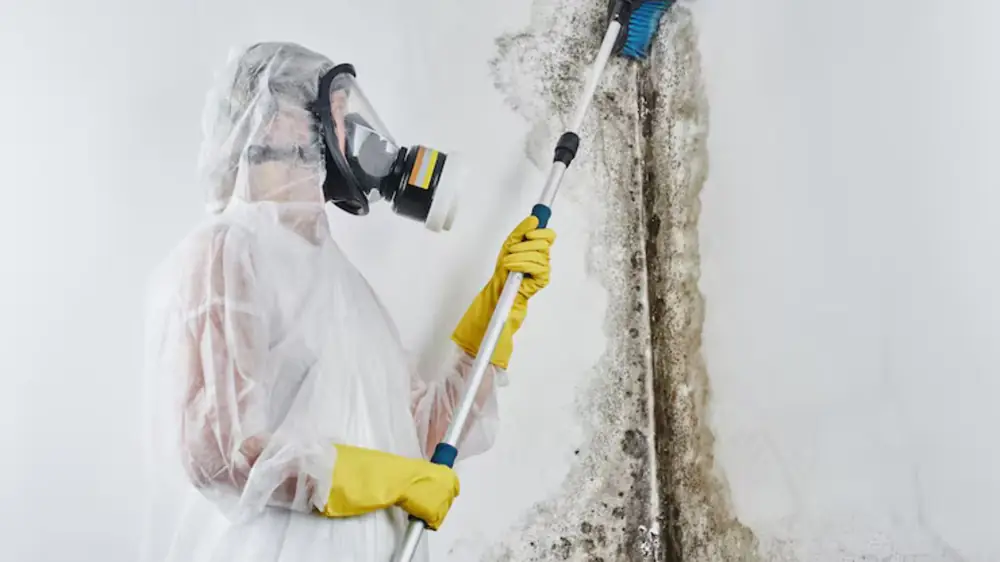
A product can kill the surface of growth and leave the dead material in place. Dead or alive, mold in porous material is still in the material. EPA's guidance is to clean up and remove mold, not just treat it.
On a hard surface such as glazed tile, EPA says to scrub with detergent and water and dry completely. That physically lifts the growth off. On drywall, ceiling tile or carpet, EPA says porous materials may have to be thrown away if they become moldy, because cleaning cannot reach inside.
| Common claim | What is actually true | What to do |
|---|---|---|
| Black mold is a special dangerous kind. | Colour does not identify a mold type. | Treat any growth the same way and fix the moisture. |
| A spray kills it for good. | Surface treatment does not fix wet material or the water source. | Remove growth, dry the area, repair the leak. |
| Painting over it seals it in. | Moisture and growth stay beneath the paint. | Clean or remove first, dry, then paint. |
| A lab test tells me if the house is safe. | No federal limits exist for mold or spores. | Use visible growth and moisture readings to guide work. |
| Mixing cleaners makes a stronger killer. | Mixing chemicals can release dangerous fumes. | Never mix cleaning products. |
These claims are common. Each one leaves the real cause, water, in place.
Moisture control is the real answer
EPA puts it plainly: the key to mold control is moisture control. None of the many types of mold grow without water or moisture. If a wall is dry, growth stops. If it stays wet, growth returns however many times you spray.
EPA says to dry water-damaged areas and items within 24 to 48 hours, and that mold usually will not grow if you do. It also advises fixing plumbing leaks quickly, using exhaust fans, venting moisture-producing appliances outdoors, insulating cold water pipes and keeping indoor humidity below 60 percent, ideally 30 to 50 percent.
Dark spots keep coming back?
Call (818) 337-2642 any hour. Same-day response when available.
Why spray killers fall short on porous materials
Drywall paper, ceiling tile, insulation and carpet pad soak up liquid. A spray sits on the surface or soaks in a little. It does not dry the cavity, and it does not remove the stained, weakened material.
If the leak is still running, the spray is a short pause. Homeowners often see the stain fade for a week, then return. That cycle wastes time while the moisture soaks deeper into framing.
What professionals actually do
Find and stop the water
Locate the leak with moisture meters and a thermal camera, and have it repaired.
Contain the area
Seal the work zone with plastic and run a HEPA air scrubber so dust does not travel.
Remove and clean
Cut out affected porous material, HEPA vacuum, and clean hard surfaces.
Dry and verify
Dry with air movers and dehumidifiers, confirm readings and close up the area.
Crews work to the ANSI/IICRC S520 standard for mold remediation. Ask any company whether its crews follow it. After cleanup, EPA notes surface sampling may help show an area was adequately cleaned. We can coordinate with water damage cleanup once the area is cleared. Scope and price are explained before work starts.
Stay safe while you decide
- Never mix cleaning chemicals. Fumes from mixed products can be dangerous.
- Wear gloves, goggles and an N95 respirator or better for small cleaning jobs.
- Keep children and pets out of the work area and close the door.
- Do not disturb large patches. EPA points to professional help above about 10 square feet.
- Ask a physician any health questions. We address the building, not people.
Near the river channels, the moisture to watch is inside the house
The Los Angeles River and Tujunga Wash run through Studio City as concrete-lined channels that merge just west of Colfax Avenue. They carry stormwater away from homes. For houses near them, the moisture that causes mold is still plumbing and roof leaks, not the channels, so check under sinks and in the attic rather than worrying about the water outside.
Across the hills in Encino, Los Encinos State Historic Park keeps a pond and a natural spring, and about 61.6 percent of housing was owner-occupied in the 2000 census era. Owners there decide on repair themselves, so ask a company for a written scope.
The same advice holds in North Hollywood. Fix the leak first, then remove the growth.
A simple decision path
- Small spot on a hard, sealed surface: detergent and water, then dry fully.
- Spot on drywall, ceiling tile or carpet: expect removal, not spraying.
- Large area, repeated return or past water damage: call a professional.
- No visible growth but a persistent musty smell: look for hidden moisture.
What kills black mold on drywall?
Nothing you spray reaches inside it. Soaked drywall is usually cut out and replaced, and the cavity is dried. Fix the leak first.
Is black mold worse than other colours?
Colour does not identify a mold type. Treat all visible growth the same way, and ask a physician about health questions.
Should I test my home for black mold?
EPA says sampling is usually unnecessary when growth is visible. Surface sampling after cleanup may show the area was adequately cleaned.
I live near the Tujunga Wash in Studio City. Is the channel causing my mold?
The concrete-lined channels carry stormwater away. For nearby homes, plumbing and roof leaks are the likelier causes. Check under sinks, around the water heater and in the attic.
Will mold come back after remediation?
No one can promise that. It stays gone only if the area stays dry, so fix the source and manage humidity. Call (818) 337-2642 if it returns.